
So far in this series we have discussed the many challenges migrants face when they decide to leave home and take a chance on settling in Slovakia. For most of these migrants, integration into Slovak society is their goal. However, successful integration is neither guaranteed nor complete. In fact, many of these transplants feel rejected by Slovak society, no matter how hard they try.
For Micheal from Mexico, this feeling of rejection came to a head at the start of the war in Ukraine. Seven years ago, he and his Ukrainian wife settled in Košice, so they could be closer to family in Kiev while still living in the European Union. The young family struggled with finding their place in the city, and making connections with neighbors and the wider community proved difficult and fruitless.
As bombs rained down on Kiev in the first days of the war, Michael’s Ukrainian family quickly fled across the border into Slovakia. Soon Michael’s rented home in Košice was filled with his wife’s terrified family. It was only meant to be a temporary solution, one week altogether, until they could be relocated, but this was deemed a great intrusion by the neighbors.
Within a few days, Michael’s landlord appeared at his doorstep, demanding to be let inside. The landloard quicklz discovered the family of refugees and demanded that they all leave. She then claimed the family had breached their lease agreement and immediately filed an eviction notice. Three weeks later, the young migrant family was forced into a new home.
This was the last straw for Michael and his family. They struggled mightily for years, but never found the acceptance they desperately sought. This experience cemented their decision to leave Slovakia, though they knew it would be difficult. The family is now looking to move elsewhere in Europe but, as Michael stated, “as a non European, it’s hard to find a job somewhere else.”
Certainly not all migrants leave Slovakia under such pressure. Many young professionals come looking for excitement and a chance to get to know a foreign country. While they may be open to extending their stay, most fully expect to return to their home countries.
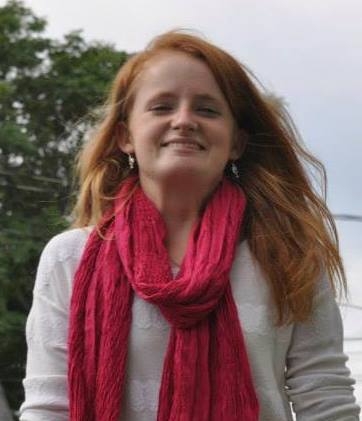
Anna Fay, from the United States, moved to Slovakia in order to travel and pursue a career in writing. Through a personal connection with the Slovak Spectator, she landed a job at the publication as a copy editor and writer. The job suited her well, but after a few years, she was hit with the realization that she had become a little too comfortable in Slovakia. This alarmed the young American, so she decided that a career change and a move back home were just what she needed.
The transition to life at home wasn’t as easy as many people may think. Anna moved home only a week before starting her new job. At the same time, she had to deal with the pressure of getting her new Slovak husband legally into America (he is still waiting for his visa at the moment). She has also been experiencing what is called reverse culture shock.
For Fay, getting used to the American phenomenon of mass shootings has been a challenge. “Certainly watching the news and hearing about shootings almost every day… That never gets normal. I think one thing I didn’t miss about America is the gun culture,” Anna noted.
This young American, through her experiences and now a Slovak husband, has formed deep bonds with Slovakia. She misses the cobblestone streets and the coziness of Bratislava, but she is happy to be home. However, she is open to the possibility of returning to Slovakia.

Like Anna, Aneta Czyszczoń from Poland, moved to Slovakia, looking for adventure and professional development. Her transition to the country was comparatively easy because of the similar languages and culture. However, after a few years, she grew dissatisfied with Slovakia. Life for migrants, even for the Polish, can be full of complications and loneliness.
Fortunately, Aneta met the love of her life, a man from the UK who came to Bratislava on holiday. The relationship quickly grew, and she shortly joined him in the UK. The couple soon had their first child, but life hasn’t been smooth sailing.
Aneta has had to deal with the negative stereotypes many Polish migrants face in the UK. As well, she is confronted with different cultural expectations for new parents. Poland, like Slovakia, enjoys a generous parental leave, and mothers are given time to be with their new children. However, in the UK, new parents are pressured to return to work as quickly as possible. This difference has been a challenge for the new mother.
Aneta has used her few quiet moments to reflect on her life in Slovakia. She misses her Slovak friends, neighbors, and the nation. Here, she believes that, “you can feel at home sometimes, because I think that Slovak people are really welcoming.” Unfortunately, she doesn’t always feel this way in the UK. Again, like Anna, Aneta can see herself living in Slovakia someday in the future.
The decision to leave Slovakia, much like the decision to move here, is different for each migrant. Some leave with an unpleasant taste in their mouths, while others reluctantly leave, only to dream of Slovakia while in their new homes. Nevertheless, almost all agree that their experiences in Slovakia have taught them much about life and given them tools to live a much better life in the future.
This episode and my series on the migrant experience have been made with support from Fjuzn, a program of the Milan Simecka foundation. Please follow them online at:
https://www.instagram.com/festival_fjuzn/


 Na Slovensku Aj Po Anglicky
Leave a reply to Jeremy Hill Cancel reply